BACK TO LINKS ........................................BACK TO MAIN
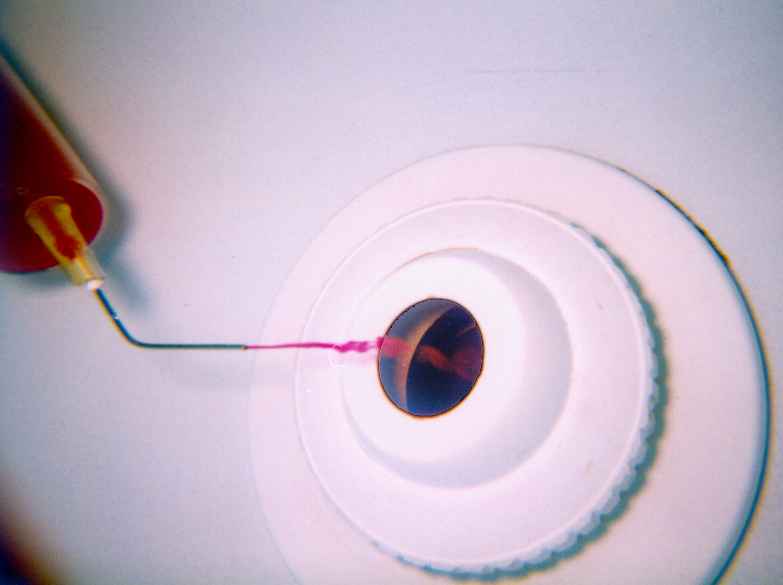
BROKEN PIPES: As you dye test around the pool, place a small amount of dye near the mouth of the jet lines. If the pipe is broken, the dye should draw into the pipe at a slow but noticeable rate. Test the other jets to see if the draw could be blowing out another jet from slow circulation in the pool, or in and out of the same jet due to a slight wave action in the pool. Stuff a sock in the other jets to stop the circulation. A broken pipe should have an unmistakable draw on the pipe, if not, move on.
Why do pipes break?
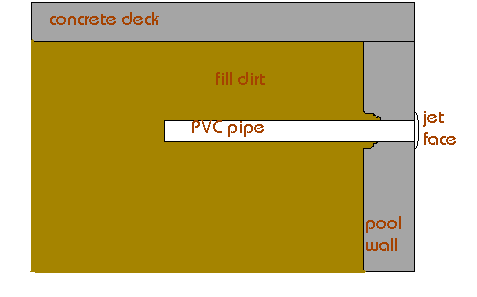
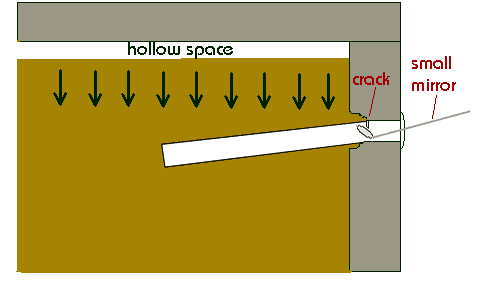
90% of all white PVC plumbing breaks from the weight of the fill dirt on top of the pipe settling down over the years. The pipe sags everywhere except where it is supported in the wall of the pool. The pipe section near the wall begins to bend downward until the pipe breaks. This is usually 4" in the pool wall. In the pictures below, left is a new pool without settling occurring yet. On the right the soil has compacted under the deck and has brought the pipe down with it; causing a crack and a leak on top of the pipe. Fortunately this break is close to the wall and can actually be seen by a diver with a small mirror looking into the pipe from the pool: you may need an under water flashlight. If 2 or more jets draw in dye at nearly the same rate, It is time to call in a professional leak detector because the leak is at a joint further under the pool deck.New pool foundation........................................................................... Old pool foundation
Other tips:
When you dye test the jet pipes, one jet should have pulled in dye harder than the others, this is usually the pipe that is broken.
Never try to dig up the pipes in the grass, you will usually waste your time, but roots can break a pipe. if a pipe is broken in grass by roots: pressure testing (under10 psi) the system with air will usually bubble the leak to the surface through the dirt.
This break is usually inside the wall of the pool, but must be repaired by digging through the deck behind the wall of the pool. It is usually easier to repair the section of pipe with an "inside coupling" (at bigger pool stores) rather than chisel the cement around the outside of the pipe.
Some older pools (pre 1970) use a semiflexible black plastic pipe: During installation they did not use many elbows, this pipe was bent around corners and the bends are also the weak spots. It may be best to repipe this type of plumbing.
BACK TO LINKS................................ TOP.................................................... BACK TO MAIN